
Hairfall Prevention Tips – How to Fight Hair Loss?
Hairfall Prevention Tips – How to Fight Hair Loss?
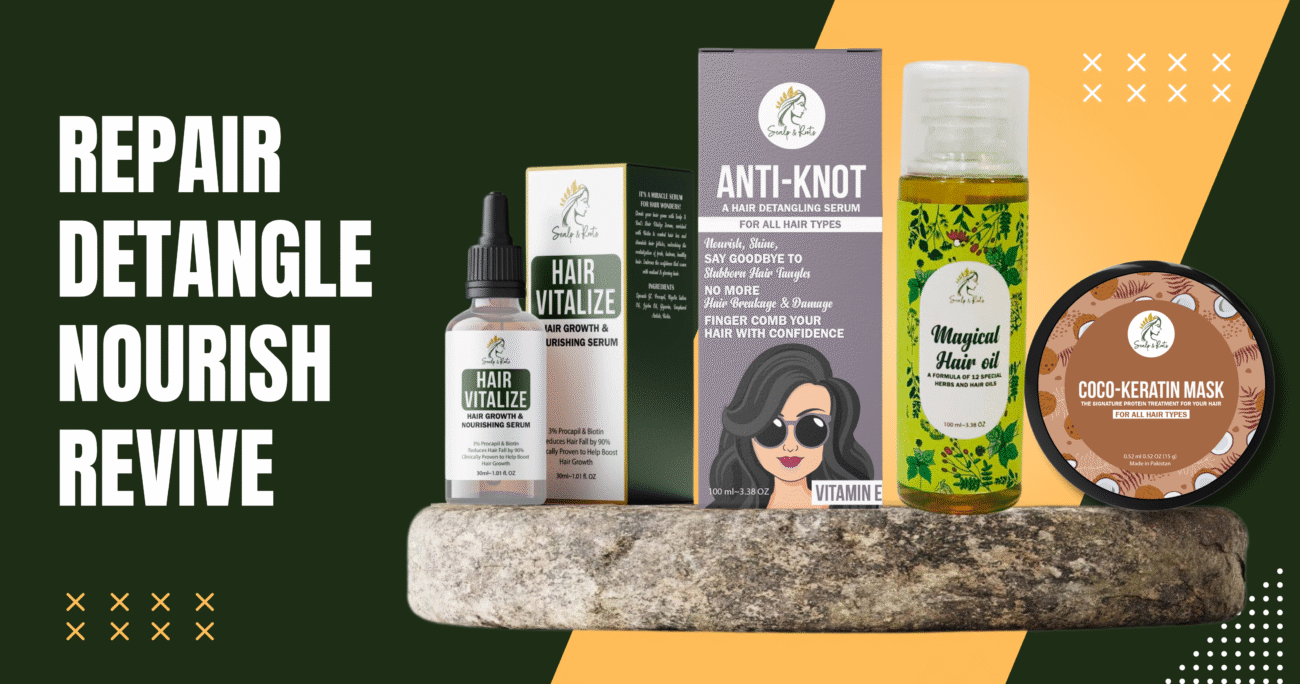
Hairfall has become extremely common. Almost every other person experiences it at some stage, and in Pakistan, around 30 million people struggle with noticeable hair loss. Harsh water, changing weather, lifestyle, and genetics all play a role.
If you are dealing with hairfall, this guide will help you understand the causes, symptoms, and practical ways to control it.
Let’s begin.
What Is Hair Fall?
Losing up to 100 strands of hair a day is normal. Hair loss becomes a concern when shedding increases or when your hair starts looking visibly thinner.
A more serious condition is androgenetic alopecia, also known as pattern baldness. This affects 30 to 50 percent of men by the age of 50 and around 29 percent of women, often due to stress or hormonal changes. It can begin as early as teenage years and becomes more visible with age.
Hair loss can occur due to genetics, hormones, medications, stress, nutritional deficiencies, illnesses, and even everyday styling habits. If you notice thinning, bald patches, sudden shedding, itching, or irritation on the scalp, these may be signs of a hair loss disorder.
The good news is that with the right care and routine, you can gradually reduce hairfall.
Causes of Hair Fall
Hairfall & Stress
Stress is one of the leading causes of hairfall. Emotional stress, sudden weight loss, illness, high fever, or flu can trigger a condition called telogen effluvium, where a large percentage of hair enters the resting phase and sheds.
Life events such as breakups, financial pressure, family conflicts, divorce, or losing a loved one can disrupt the normal hair growth cycle as well.
Hormonal Changes
In men, excess androgens commonly lead to pattern baldness.
In women, hormonal imbalance after childbirth or during menopause can weaken hair follicles and increase shedding. Around 40 to 50 percent of women experience noticeable hairfall after delivery.
Medication for Hairfall
Some medicines can cause hair thinning as a side effect. These may include antidepressants and certain blood pressure medicines.
Poor Diet
A lack of essential nutrients, especially iron, zinc, biotin, and protein, can slow down hair growth and make hair weak.
Hair Care Habits
Daily habits like heat styling, tight ponytails, over-washing, harsh shampoos, and aggressive brushing can damage your hair and lead to breakage.
Symptoms of Hair Fall
You may notice:
- Gradual thinning
- A smaller or weaker ponytail
- Receding hairline
- Bald spots
- Clumps of hair in the shower or brush
- Itching or redness on the scalp
- Patchy or scaly skin
- Hair loss on eyebrows, eyelashes, beard, or other body areas (common in alopecia areata)
Treatments and Tips to Prevent Hair Fall
Hair Oils
Regular oiling nourishes the scalp and strengthens roots. A good hair oil may help reduce hairfall include coconut oil, rosemary oil, argan oil, castor oil, olive oil, jojoba oil, almond oil, grapeseed oil, and black seed oil.
How to apply oil:
- Oil your hair once a week
- Apply lightly and evenly
- Avoid applying too much, as it can clog pores and cause dandruff
Hair Serums
Serums strengthen hair and stimulate follicles. Use a lightweight serum and apply it mainly to the roots and mid-lengths. Heavy serums can cause buildup and weaken the hair.
Hair Masks
Hair masks deeply nourish hair and support regrowth.
How to use a hair mask:
- Shampoo and rinse your hair
- Apply the mask on damp hair, focusing on mid-lengths
- Leave it on for 3 to 5 minutes
- Rinse and towel-dry
- Style as usual
Nutrition
A balanced diet is essential for preventing hairfall. Foods that support hair growth include eggs, nuts, avocados, sweet potatoes, berries, yogurt, spinach, beans, fish, seeds, carrots, leafy greens, and dairy products.
Self-Care Tips
Adopting small healthy habits can make a big difference. Eat a protein-rich diet, avoid excessive heat styling, massage your scalp regularly, choose gentle hair products, and avoid tight hairstyles.
Conclusion
Hairfall can feel frustrating, but understanding the cause makes it easier to manage. With the right routine, proper nutrition, and consistent care, you can gradually reduce shedding and improve the overall health of your hair. Start small, stay consistent, and give your hair the time it needs to recover.